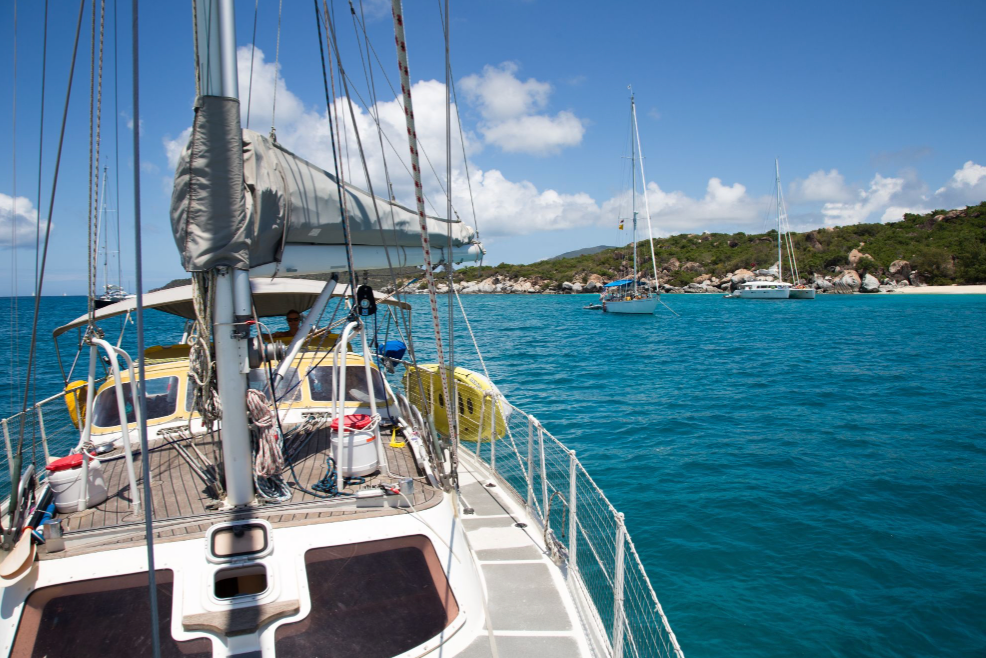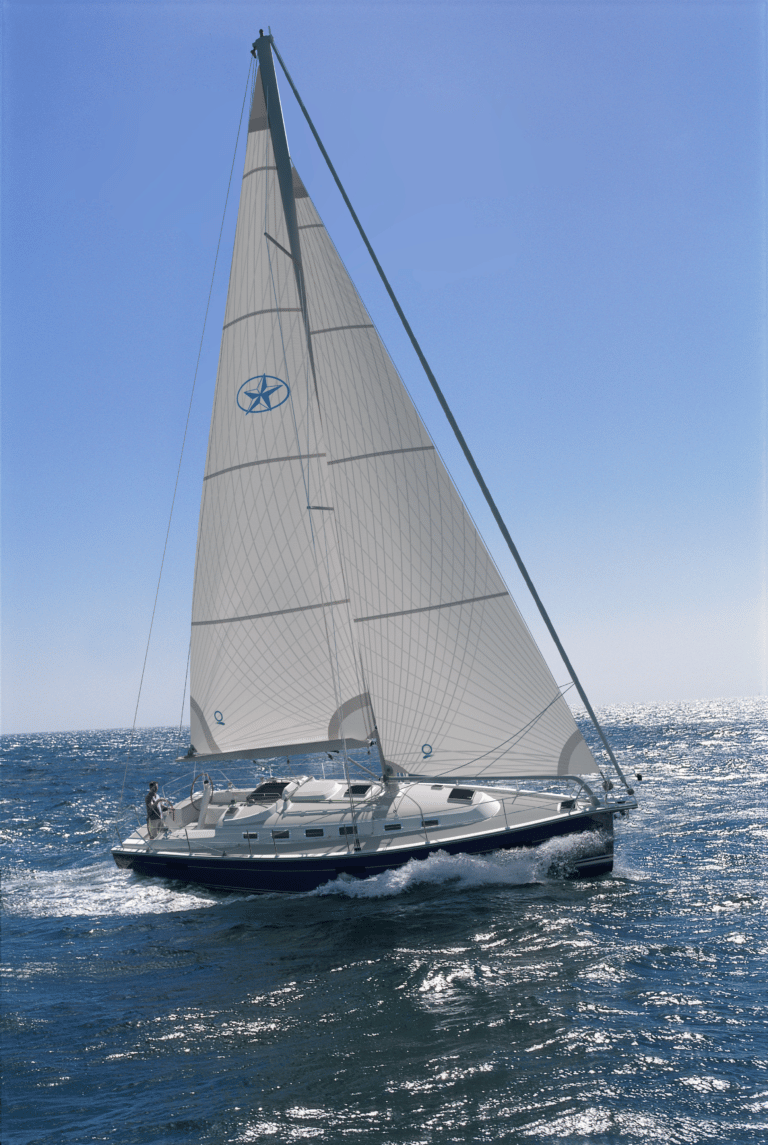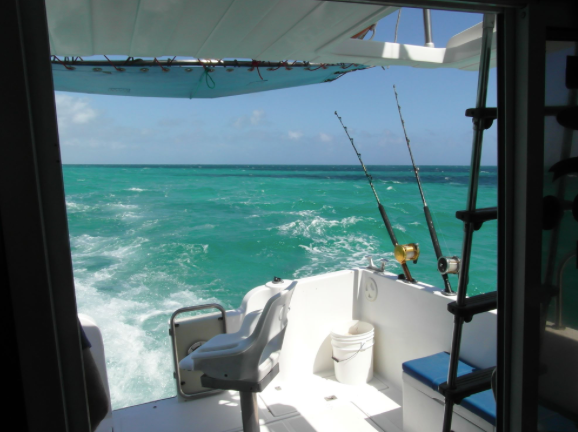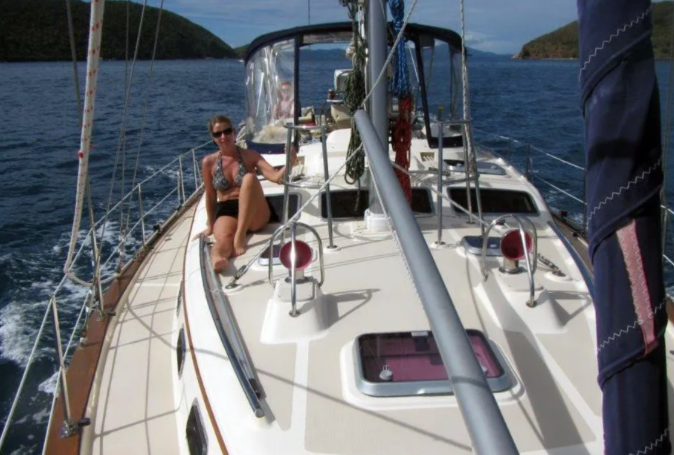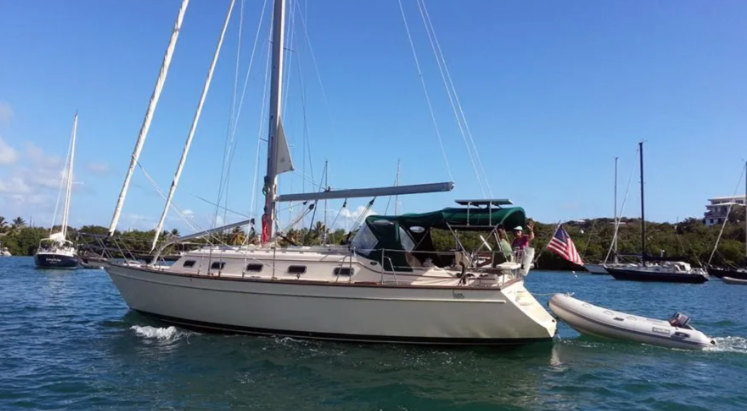
Step onto a charter yacht in Red Hook, and most of what you see looks effortless. The decks are clean, the cabins are cool, and the dinghy is tied off the stern. Preparing a yacht for guests means checking the engines, testing the refrigerators, inspecting the rigging, and organizing the snorkel gear.
Yacht maintenance is an ongoing job, especially on a charter fleet. The climate and demands of chartering make regular maintenance essential.
Why Yacht Maintenance Never Really Stops
Salt settles on everything, including stainless fittings, electrical connections, and the latches on lockers. Left alone, it attracts moisture and corrodes metal, which is why a boat that looks fine from the dock can have a fitting quietly going bad underneath.
Sun exposure causes wear, too. Ultraviolet light fades and weakens canvas, lines, and sailcloth, and the heat is hard on rubber seals, hoses, and electronics. Humidity brings mildew to cushions and lockers if cabins aren’t aired and cleaned regularly.
Charter yachts generally see more use than privately owned boats. A private owner might sail on weekends, while a charter yacht carries a new group every week. Hatches, winches, and toilets get used constantly, and parts give out sooner under that load. Regular inspections can catch worn parts before they lead to more expensive repairs.
What Goes Into Getting a Yacht Ready for Charter
The work between charters depends on the boat and how it was used during the previous trip. Preparation includes scheduled maintenance and repairs identified during inspection.
Cleaning comes first, inside and out. Salt, sunscreen, and spilled drinks leave marks that a quick rinse won’t remove. Engines and mechanical systems are checked for leaks, worn belts, and hoses that have started to crack. On sailing yachts, the rigging, sails, and deck hardware get a close look, since those parts carry heavy loads every time the boat is under way.
Below deck, the refrigeration, air conditioning, electrical, and freshwater systems are tested to make sure they’re working properly. Safety equipment is inspected, and supplies are restocked. The dinghy, outboard, snorkel gear, and paddleboards get looked over too, because guests use them daily and a failure shows up fast.
Anything worn out gets replaced, such as a cracked fitting or a stained cushion. Much of this is routine. Some repairs take longer, so the quieter late-summer period gives us time to take boats out of service for a few days. Read more about this work in our
September refresh.
The Systems Guests Rely On Every Day
Our post, Keeping It Cool: Modern Amenities in the IYC Fleet, covers the features available aboard IYC yachts. Here’s a look at the maintenance they require.
Refrigeration depends on clean door seals and good airflow around the compressor. A unit that holds temperature on a cool morning can struggle by mid-afternoon in tropical heat if either is neglected. Air conditioning on a yacht commonly uses seawater to carry heat away, so intake strainers and pumps need regular cleaning. Marine growth builds quickly in warm water, and cooling drops when the flow does.
Freshwater and electrical systems also need regular attention. Watermakers rely on filters and membranes that need periodic replacement or cleaning, while tanks, pumps, and lines must be kept clean. Batteries, generators, and the wiring between them sit in salt air, which degrades connections over time. Toilets take heavy use from a full group all week, and pumps, valves, and hoses are among the first parts to show it.
Yacht Fleet Maintenance in the Virgin Islands
IYC has operated out of Red Hook on St. Thomas since 1977. The local climate and charter season influence when maintenance takes place. Winter and spring are the busiest months, with boats out almost constantly. Late summer gives us room for longer jobs.
Hurricane season also factors into the maintenance schedule.
Atlantic hurricane season officially runs from June 1 through November 30, and our September work overlaps with the rigging, systems, and gear inspections that storm readiness involves.
Our Island Packet yachts were chosen for long-term cruising, a decision we explain in
Island Packet vs. the Rest. Even a well-built yacht experiences wear from anchoring, swimmers boarding from the stern, and trade winds putting pressure on the rigging. Regular inspections and repairs help keep that wear from developing into larger problems.
The Details Guests May Never Notice
Some problems start small: a loose hose clamp, a corroding fitting, or a refrigerator gasket that no longer seals properly. Catching these issues during an inspection can prevent repairs from interrupting a charter.
Above deck, a tight stanchion base, navigation equipment that powers up when expected, and a dinghy outboard that starts on the first or second pull are easy to take for granted. Routine inspections help catch these issues before guests arrive.
Keeping the IYC Fleet Ready for Charter
Our team is based in Red Hook, close to the boats and the waters we sail. Because the team works with these boats regularly, they can spot wear and address problems before the next charter. Bareboat guests pick up a yacht here that, depending on the vessel and the charter, comes with an inflatable dinghy and outboard, linens, basic cleaning supplies, and initial fuel and water.
Before leaving the dock, bareboat guests get time to learn the yacht and its equipment. Guests can also ask questions about anything unfamiliar, such as how the air conditioning runs or where the safety gear is stored. After each charter, the boat is cleaned, inspected, and prepared for the next guests.
Plan Your Next Virgin Islands Charter
Planning a St. Thomas yacht charter? Explore the IYC fleet to find a boat that suits your group and itinerary. Call (340) 344-2143 or email sailing@iyc.vi to discuss yacht availability and plan your trip.