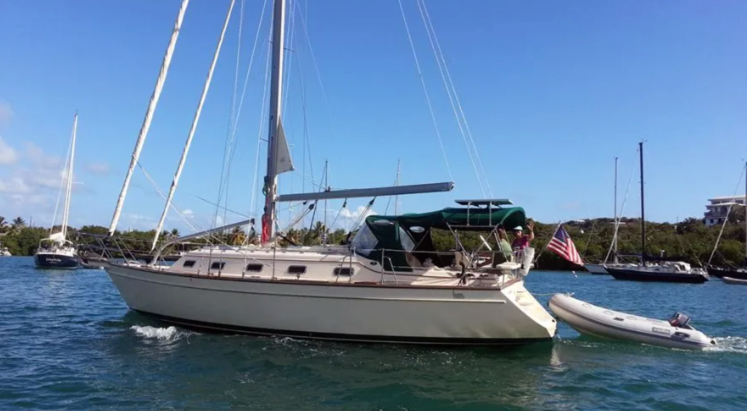
By late August, the charter schedule finally has some breathing room. The boats have been out almost constantly since winter, guests have come and gone every week, and the fleet has earned a little downtime.
If you charter with us in October or November, you might notice a freshly detailed hull, a cushion that looks new, or an AC unit that's blowing colder than you expected. Most guests don't think twice about it. They simply enjoy the boat. But getting a yacht from "just came off a busy season" to "ready for the next one" takes real time, and September is when that work happens.
Fleet maintenance isn't something we do only when something breaks. It's a running process, and the slower weeks after the busy season are when we can finally get ahead of it instead of keeping up.
Why September Is the Time for a Fleet Refresh
Charter season in the Virgin Islands doesn't really stop, but it does have a rhythm. Winter and spring are the busiest stretches, and by the time summer winds down, every boat in the fleet has logged a lot of miles, a lot of anchor drops, and a lot of guests moving around the deck.
September gives us a window. Bookings thin out some, which means a boat can come off the schedule for a few days without leaving a gap somewhere else. That's the difference between rushing a job between charters and doing it right.
It's also good timing for Caribbean weather.
Hurricane season peaks in September, so a lot of this work overlaps with the same checks and preparations that come with storm-season readiness anyway. Rigging gets inspected, systems get tested, and gear gets accounted for regardless.
What Happens Between Charters
The work that goes into a refresh isn't glamorous, and most of it will never make it into a photo. But it's the reason a boat feels right the moment you step aboard. Depending on the yacht and what it needs, this stretch typically includes:
- Deep cleaning and detailing, inside and out.
- Inspecting rigging, sails, and running hardware.
- Checking engines and mechanical systems.
- Servicing air conditioning and refrigeration.
- Going through electrical and freshwater systems.
- Replacing hardware that's showing wear.
- Updating and checking safety equipment.
- Sorting snorkel gear, paddleboards, and other equipment guests use.
- Touching up interior surfaces and exterior finishes.
Some of this is scheduled and expected. Some of it turns up during the inspection itself, which could include a fitting that's starting to corrode or a hose clamp that needs replacing before it becomes a problem. Catching those things now, while the boat is already off charter schedule and being gone over closely, is a lot better than catching them mid-charter.
The Small Details Guests Notice
A yacht can be technically functional and still not feel ready. There's a difference between a boat that runs fine and one that's actually been prepared for someone to spend a week on.
That difference shows up in small ways. Linens that are fresh instead of just clean. A refrigerator that holds temperature reliably instead of struggling in the afternoon heat. Snorkel gear that's sorted and in good condition instead of tangled in a locker. Outlets that work the first time you plug something in. A deck that's been properly scrubbed, not just rinsed off after the last charter.
None of these things are dramatic on their own. But guests notice when they're missing, even if they can't always say exactly why a boat feels a little off. That's usually what they're picking up on.
Keeping the Fleet Ready for the Virgin Islands
Sailing in the USVI is hard on a boat, even when everything goes well. Saltwater and sun break things down steadily, and there's no getting around it when a yacht is out on the water most days of the year. Add in constant anchoring, guests swimming and snorkeling off the back, and the trade winds working on the rigging day after day, and it's easy to see why things wear faster here than they would sitting in a slip somewhere.
That's part of why we chose Island Packet for the sailing side of the fleet in the first place. We wrote about that reasoning in
Island Packet vs. the Rest: Why IYC's Fleet Is Built Differently, but the short version is that a boat built for long-term cruising holds up better under this kind of use. Even so, a well-built hull still needs consistent attention. Regular maintenance is what keeps a boat performing the way it should years into service, instead of slowly declining year over year.
What Guests Get From the Work
None of this is meant to be something guests think about during their trip. That's really the point. You shouldn't have to wonder whether the fridge is going to keep your food cold, whether the dinghy will start on the first pull, or whether the boat was checked and ready before you stepped aboard.
When a yacht comes off a proper September refresh, that's one less thing standing between you and the actual charter. You show up, go through orientation with your captain, and the trip starts. We've written before about what that first day looks like in First-Time Charterer? Here's What a Week with IYC Actually Looks Like, and a lot of what makes that morning go smoothly traces back to the work done in the weeks before you ever arrived.
The systems you'll use – air conditioning, refrigeration, freshwater, power – are the ones we spend the most time on. We covered those in more detail in
Keeping It Cool: Modern Amenities in the IYC Fleet, but the maintenance side of that story is what keeps those systems working the way they're supposed to, week after week.
Preparing for the Next Season
September isn't a one-time event so much as the point in the year when we catch up on everything the busy months didn't leave time for. The same boats go back into rotation in October, and they'll be out on the water steadily from there through the winter charter season.
That cycle repeats every year. Maintain, sail, maintain again. It's not exciting, but it's the reason a yacht that's been in the fleet for years can still feel solid and well cared for. A charter fleet in the Virgin Islands doesn't stay in good condition by accident. It takes people who are actually out on these boats and know what to look for, because they're the ones sailing them too.
Ready for Your Next Charter
If you're thinking about a trip to the Virgin Islands this season, now's a good time to start planning. Take a look at our bareboat and crewed charter options, or reach out to our team directly. We're happy to help you figure out which boat and itinerary fit your group best.